
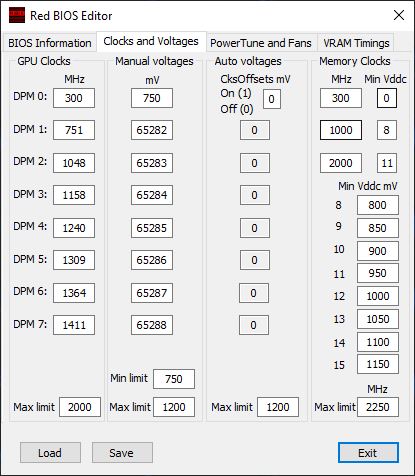
What is Red BIOS Editor?
Red BIOS Editor is a powerful tool designed to help users manage and optimize their BIOS settings for improved system performance. BIOS, or Basic Input/Output System, is the firmware that controls the basic functions of a computer’s hardware components. The Red BIOS Editor provides a user-friendly interface for editing and tweaking BIOS settings, allowing users to fine-tune their system’s performance, stability, and power consumption.
Main Features of Red BIOS Editor
The Red BIOS Editor offers a range of features that make it an essential tool for anyone looking to optimize their system’s performance. Some of the key features include:
- Snapshot routines: The Red BIOS Editor allows users to create snapshots of their current BIOS settings, making it easy to restore previous settings if needed.
- Rollback steps: The tool provides a step-by-step rollback process, ensuring that users can easily revert to previous settings if they encounter any issues.
- Secure repositories: The Red BIOS Editor stores BIOS settings in secure repositories, protecting them from unauthorized access or corruption.
Installation Guide
Installing the Red BIOS Editor is a straightforward process that requires minimal technical expertise. Here’s a step-by-step guide to help you get started:
Step 1: Download the Red BIOS Editor
Download the Red BIOS Editor from the official website or a trusted third-party source. Make sure to select the correct version for your operating system.
Step 2: Run the Installer
Run the downloaded installer and follow the prompts to install the Red BIOS Editor. The installation process typically takes a few minutes to complete.
Step 3: Launch the Red BIOS Editor
Once the installation is complete, launch the Red BIOS Editor from the Start menu or desktop shortcut.
Technical Specifications
The Red BIOS Editor is compatible with a wide range of operating systems, including Windows, Linux, and macOS. Here are some technical specifications to keep in mind:
| Operating System | Version |
|---|---|
| Windows | 10, 8.1, 8, 7 |
| Linux | Ubuntu, Debian, Fedora |
| macOS | High Sierra, Mojave, Catalina |
Pros and Cons
Like any software tool, the Red BIOS Editor has its pros and cons. Here are some of the main advantages and disadvantages to consider:
Pros
The Red BIOS Editor offers several benefits, including:
- Improved system performance: By optimizing BIOS settings, users can improve their system’s performance, stability, and power consumption.
- User-friendly interface: The Red BIOS Editor provides a user-friendly interface that makes it easy to navigate and edit BIOS settings.
- Secure repositories: The tool stores BIOS settings in secure repositories, protecting them from unauthorized access or corruption.
Cons
Some of the potential drawbacks of the Red BIOS Editor include:
- Steep learning curve: While the Red BIOS Editor is user-friendly, it still requires some technical expertise to use effectively.
- Compatibility issues: The tool may not be compatible with all hardware configurations or operating systems.
FAQ
Here are some frequently asked questions about the Red BIOS Editor:
Q: Is the Red BIOS Editor free to download?
A: Yes, the Red BIOS Editor is free to download and use.
Q: Is the Red BIOS Editor compatible with my operating system?
A: The Red BIOS Editor is compatible with a wide range of operating systems, including Windows, Linux, and macOS. Check the technical specifications for more information.
Q: Can I use the Red BIOS Editor to overclock my CPU?
A: Yes, the Red BIOS Editor allows users to overclock their CPU and other hardware components.