
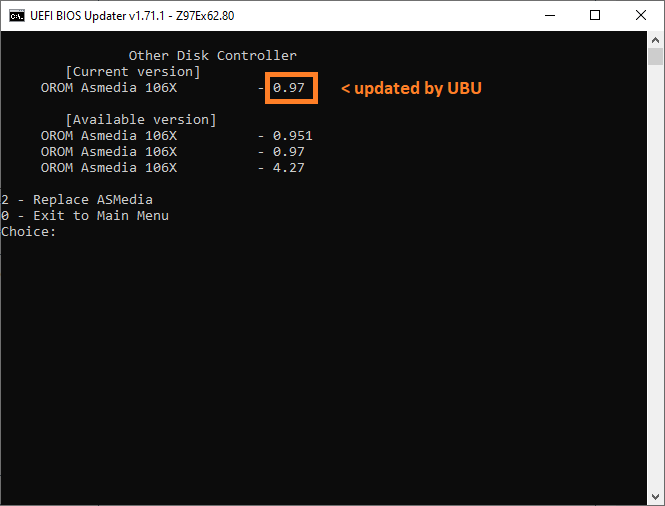
What is UEFI BIOS Updater?
UEFI BIOS Updater is a powerful tool designed to update and manage the UEFI firmware of your computer’s BIOS. It provides a user-friendly interface to interact with the UEFI firmware, allowing you to update, configure, and troubleshoot your system’s BIOS settings. With UEFI BIOS Updater, you can ensure that your system’s firmware is up-to-date, which is essential for maintaining the stability and security of your computer.
Main Features of UEFI BIOS Updater
Some of the key features of UEFI BIOS Updater include:
- Automatic detection of UEFI firmware updates
- Support for multiple UEFI firmware vendors
- User-friendly interface for configuring BIOS settings
- Ability to create and manage BIOS snapshots and restore points
- Support for deduplication and compression of BIOS settings
- Encrypted configuration backups for added security
How UEFI BIOS Updater Works
Step-by-Step Process
Here’s a step-by-step guide on how to use UEFI BIOS Updater:
- Download and install UEFI BIOS Updater on your computer.
- Launch the application and select your UEFI firmware vendor from the list.
- UEFI BIOS Updater will automatically detect and download the latest firmware updates for your system.
- Follow the on-screen instructions to apply the firmware updates.
- Configure your BIOS settings using the user-friendly interface.
- Create and manage BIOS snapshots and restore points as needed.
Installation Guide
System Requirements
Before installing UEFI BIOS Updater, ensure that your system meets the following requirements:
- Operating System: Windows 10 or later
- Processor: 64-bit processor
- Memory: 4 GB RAM or more
- Storage: 1 GB free disk space or more
Installation Steps
Follow these steps to install UEFI BIOS Updater:
- Download the UEFI BIOS Updater installation package from the official website.
- Run the installation package and follow the on-screen instructions.
- Accept the terms of the license agreement and choose the installation location.
- Wait for the installation to complete.
Technical Specifications
Supported UEFI Firmware Vendors
UEFI BIOS Updater supports the following UEFI firmware vendors:
| Vendor | Supported Firmware Versions |
|---|---|
| Intel | UEFI firmware versions 2.3 and later |
| AMD | UEFI firmware versions 2.1 and later |
| ASUS | UEFI firmware versions 2.2 and later |
Pros and Cons
Advantages of UEFI BIOS Updater
Some of the advantages of using UEFI BIOS Updater include:
- Easy-to-use interface for configuring BIOS settings
- Automatic detection and installation of firmware updates
- Support for multiple UEFI firmware vendors
- Ability to create and manage BIOS snapshots and restore points
Disadvantages of UEFI BIOS Updater
Some of the disadvantages of using UEFI BIOS Updater include:
- Requires a 64-bit processor and 4 GB RAM or more
- May not support older UEFI firmware versions
- Some users may find the interface overwhelming
FAQ
Frequently Asked Questions
Here are some frequently asked questions about UEFI BIOS Updater:
- Q: Is UEFI BIOS Updater free to download?
- A: Yes, UEFI BIOS Updater is free to download and use.
- Q: Does UEFI BIOS Updater support older UEFI firmware versions?
- A: UEFI BIOS Updater may not support older UEFI firmware versions. Check the technical specifications for more information.
- Q: Can I use UEFI BIOS Updater on a 32-bit system?
- A: No, UEFI BIOS Updater requires a 64-bit processor and 4 GB RAM or more.