
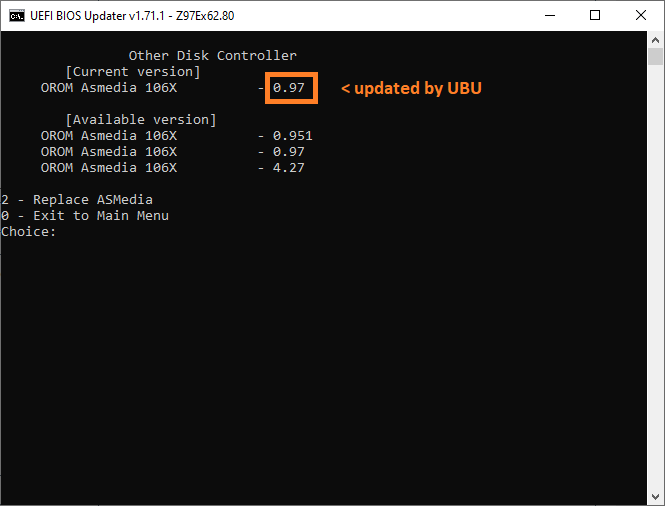
What is UEFI BIOS Updater?
The UEFI BIOS Updater is a powerful tool designed to update and manage the UEFI BIOS of your computer. It is an essential utility for those who want to ensure their system’s BIOS is up-to-date and running smoothly. The UEFI BIOS Updater is capable of updating the BIOS, configuring settings, and even backing up and restoring the BIOS in case something goes wrong.
Main Features of UEFI BIOS Updater
The UEFI BIOS Updater has several key features that make it an indispensable tool for anyone who wants to take control of their system’s BIOS. Some of the main features include:
- Automatic BIOS updates: The UEFI BIOS Updater can automatically detect and update the BIOS to the latest version.
- Bios setup guide: The tool provides a comprehensive guide to help users configure their BIOS settings.
- Snapshot routines: The UEFI BIOS Updater allows users to create snapshots of their BIOS settings, making it easy to restore the system in case something goes wrong.
- Rollback steps: The tool provides a safe and easy way to roll back to a previous version of the BIOS if needed.
- Secure repositories: The UEFI BIOS Updater uses secure repositories to store and manage BIOS updates, ensuring the integrity and security of the system.
Installation Guide
Step 1: Downloading the UEFI BIOS Updater
To get started with the UEFI BIOS Updater, you need to download the tool from a trusted source. Make sure to download the correct version for your system architecture (32-bit or 64-bit).
Step 2: Installing the UEFI BIOS Updater
Once the download is complete, run the installation file and follow the on-screen instructions to install the UEFI BIOS Updater. The installation process is straightforward and should only take a few minutes.
Step 3: Launching the UEFI BIOS Updater
After installation, launch the UEFI BIOS Updater from the Start menu or the desktop shortcut. The tool will automatically detect the system’s BIOS and provide options to update, configure, or backup the BIOS.
Technical Specifications
System Requirements
The UEFI BIOS Updater is compatible with Windows 10, Windows 8, Windows 7, and Windows XP. It requires a minimum of 1 GB RAM and 100 MB free disk space.
Supported BIOS Versions
The UEFI BIOS Updater supports a wide range of BIOS versions, including UEFI BIOS, Legacy BIOS, and hybrid BIOS.
Pros and Cons
Pros
The UEFI BIOS Updater has several advantages, including:
- Easy to use: The tool has a user-friendly interface that makes it easy to navigate and use.
- Comprehensive features: The UEFI BIOS Updater provides a wide range of features to manage and update the BIOS.
- Secure: The tool uses secure repositories to store and manage BIOS updates, ensuring the integrity and security of the system.
Cons
Some of the drawbacks of the UEFI BIOS Updater include:
- Limited compatibility: The tool may not be compatible with all BIOS versions or system architectures.
- Technical expertise: Some users may require technical expertise to use the tool effectively.
FAQ
Q: Is the UEFI BIOS Updater free?
A: Yes, the UEFI BIOS Updater is available for free download. However, some features may require a premium subscription.
Q: Is the UEFI BIOS Updater safe to use?
A: Yes, the UEFI BIOS Updater is safe to use. It uses secure repositories to store and manage BIOS updates, ensuring the integrity and security of the system.
Q: Can I use the UEFI BIOS Updater on multiple systems?
A: Yes, the UEFI BIOS Updater can be used on multiple systems, but each system requires a separate license.