
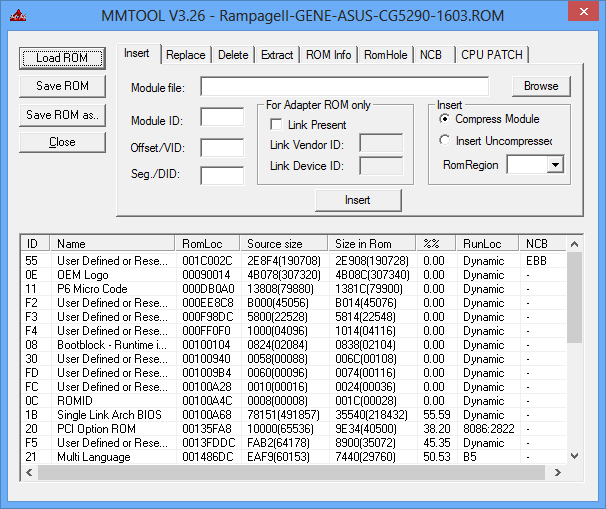
What is MMTool?
MMTool is a versatile utility designed to simplify and streamline various tasks in the realm of data management and system optimization. This powerful tool offers a wide range of features that cater to different needs, from building restore points to maintaining encrypted repositories, making it an indispensable asset for both individuals and organizations seeking to enhance their digital workflows.
Main Features of MMTool
At its core, MMTool is designed to provide users with a comprehensive set of utilities that can be leveraged to improve system performance, ensure data integrity, and facilitate troubleshooting processes. Some of its key features include:
- System Backup and Restore: MMTool allows users to create comprehensive backup points, ensuring that critical data is safely stored and can be easily restored in case of system failure or data loss.
- Encrypted Repository Management: The tool supports the creation and management of encrypted repositories, providing a secure environment for storing sensitive data.
- Troubleshooting Utilities: MMTool includes a suite of troubleshooting tools designed to diagnose and resolve system issues efficiently.
Installation Guide
System Requirements
Before proceeding with the installation of MMTool, it is essential to ensure that your system meets the minimum requirements. These typically include:
- Operating System: Windows 10 or later versions
- Processor: Intel Core i3 or AMD equivalent
- Memory: 4 GB RAM or more
- Storage: 500 MB available space
Step-by-Step Installation Process
1. Download MMTool: Visit the official MMTool website and download the latest version of the software. Ensure that you download the correct version compatible with your operating system.
2. Run the Installer: Once the download is complete, run the installer and follow the prompts to initiate the installation process.
3. Accept Terms and Conditions: Read through the terms and conditions, then check the box to accept them.
4. Choose Installation Location: Select the location where you want MMTool to be installed. It is recommended to use the default location unless you have a specific reason to choose otherwise.
5. Install MMTool: Click on the Install button to start the installation process. This may take a few minutes.
6. Launch MMTool: Once the installation is complete, you can launch MMTool from the Start menu or the installation location.
Technical Specifications
System Compatibility
MMTool is designed to be compatible with a wide range of systems, including:
- Windows 10
- Windows 8.1
- Windows 7
Software Requirements
For optimal performance, ensure that your system has the following software installed:
- .NET Framework 4.6 or later
- DirectX 11 or later
Pros and Cons
Advantages of Using MMTool
MMTool offers several benefits that make it a valuable addition to any system, including:
- Comprehensive Backup Solutions: Ensures that your data is safe and can be easily restored.
- Enhanced Security: Provides encrypted repositories for storing sensitive data.
- Efficient Troubleshooting: Includes tools to diagnose and resolve system issues quickly.
Disadvantages and Limitations
While MMTool is a powerful utility, it does have some limitations and potential drawbacks, such as:
- Learning Curve: Requires time to learn how to use its features effectively.
- Resource Intensive: May consume significant system resources during intensive operations.
FAQ
Frequently Asked Questions
Q: Is MMTool free to download?
A: Yes, MMTool offers a free version with limited features. For full functionality, a premium subscription is required.
Q: How do I troubleshoot issues with MMTool?
A: MMTool includes a troubleshooting guide and support resources on its official website.
Q: Is MMTool compatible with macOS?
A: Currently, MMTool is designed for Windows operating systems only.